November 17, 2026
Comparing Classic Dutch Stroopwafels with Modern Lower-Sugar Options
By @thedailycrumb
What Makes a Stroopwafel a Stroopwafel
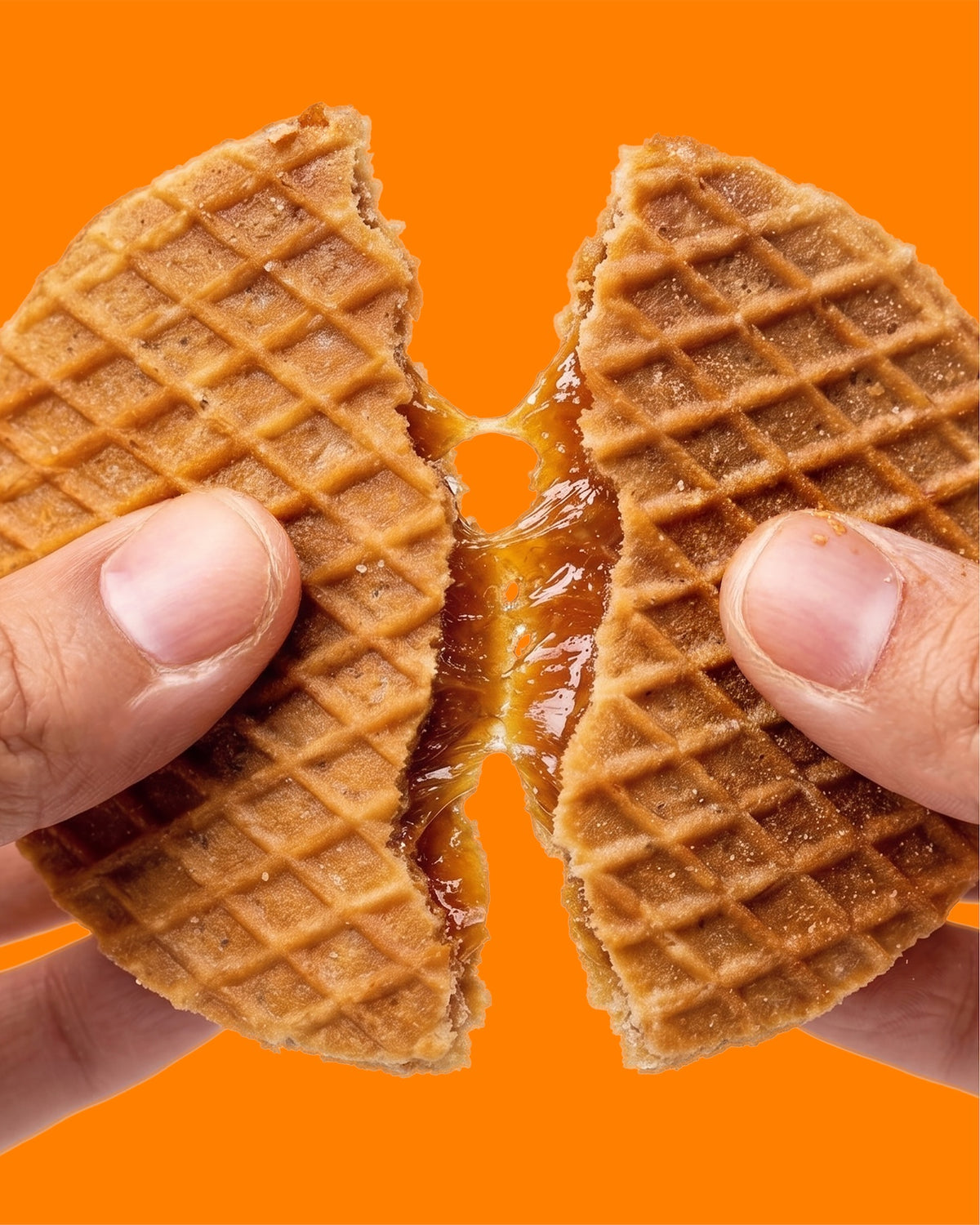
A stroopwafel is a thin, round waffle disc made from a simple batter of flour, butter, sugar, eggs, and yeast. While still warm from the iron, the waffle is split in half horizontally and filled with a layer of caramel syrup (often called stroop). The two halves are pressed back together, creating a chewy, sweet cookie that has been a part of Dutch cuisine for centuries. The first known stroopwafel appeared in the city of Gouda around 1810, and it quickly became a fixture at markets and street stalls. Traditionally, people would place the waffle over a cup of hot coffee or tea, letting the steam soften the filling and warm the cookie to the perfect temperature for eating.
That classic version, however, was built for a time when daily activity levels were higher and sugar was a rare treat. The original recipe uses a generous amount of both white sugar in the batter and dark caramel syrup in the filling. For a modern reader, the taste is undeniably rich, but the sugar load can be substantial. This has led to a quiet shift in the market, with a growing number of lower-sugar versions that aim to keep the same crisp exterior and chewy center while reducing the sweetener content.
What Changes in a Lower-Sugar Stroopwafel
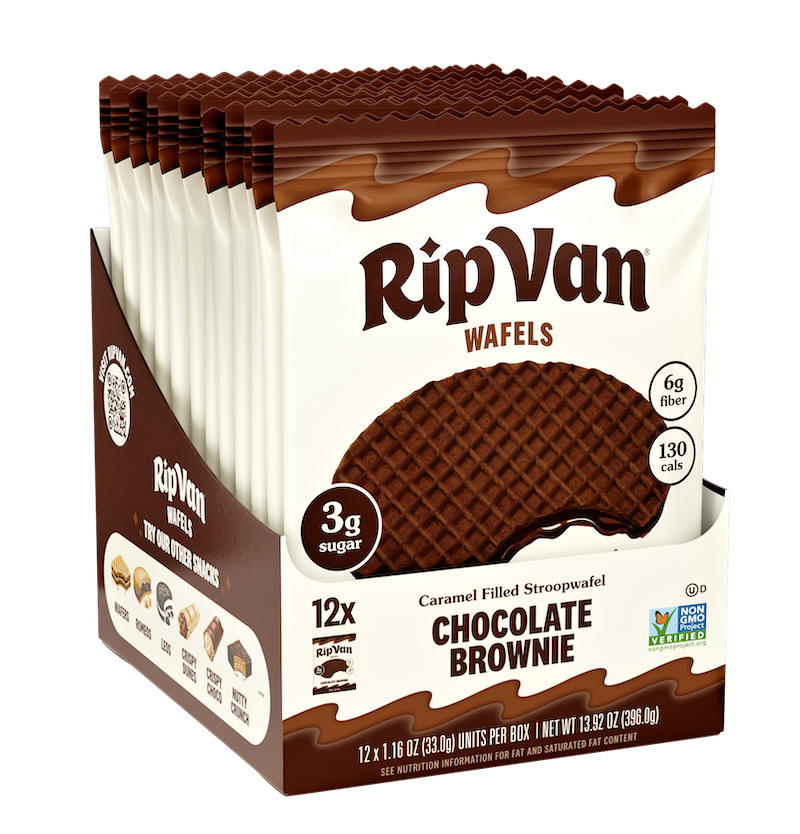
When a manufacturer sets out to reduce sugar in a stroopwafel, the first thing they adjust is the caramel syrup. Traditional stroop is made by melting sugar with butter and a little glucose or corn syrup to control crystallisation. To lower the sugar, makers often replace part of the sugar syrup with a sugar alcohol such as maltitol or erythritol, or with a non-nutritive sweetener like stevia or monk fruit. The challenge is that sugar does more than sweeten: it contributes to the syrup's thickness, its spread when the waffle is pressed, and its ability to stay soft without hardening into a brittle layer. A lower-sugar filling may feel thinner or more sticky, and it can crystallise more easily if the balance is wrong.
The waffle disc itself also changes. In a standard recipe, the sugar in the batter helps the waffle brown and gives it that characteristic crisp snap when you break it. When sugar is reduced, the waffle may come out paler or less crunchy. Some recipes add extra fiber or resistant starch to restore structure and texture. The goal is to produce a waffle that still holds together when you dunk it in coffee, but that does not spike blood sugar the same way the original does.
How the Flavors Compare Side by Side
If you taste a traditional stroopwafel and a good lower-sugar one side by side, the most obvious difference is the sweetness profile. The classic version hits the palate with a pure, clean sweetness from sucrose, followed by buttery notes and a mild caramel bitterness from the browning. The lower-sugar version often has a slightly delayed sweetness, and sometimes a faint cooling sensation on the tongue if erythritol is used. The caramel flavour can be less pronounced, because the sugar caramelisation reactions that create that deep, toasted flavour are less intense with fewer simple sugars present.
Texture-wise, the classic waffle tends to be slightly thicker and more rigid, while the reduced-sugar version can be a little more tender or even a bit chewier, depending on the fiber blend used. The filling in a traditional stroopwafel flows evenly when heated; a lower-sugar syrup may soften more slowly or remain firmer at the same temperature. For someone who enjoys the ritual of placing the waffle over a mug and watching the filling melt, the lower-sugar version may not drip quite as freely, but it still warms nicely.
When Each Version Fits Best
Choosing between a classic and a lower-sugar stroopwafel really depends on your reason for eating it. If you are a purist who loves the authentic Gouda experience and you are not watching your sugar intake for medical or dietary reasons, the original is hard to beat. It pairs perfectly with a strong black coffee or an English breakfast tea, and it delivers exactly the sweet, caramelised cookie texture that has made Dutch stroopwafels famous around the world.
On the other hand, if you are managing your carbohydrate intake, following a low-sugar diet, or simply trying to reduce added sugars without giving up treats, a lower-sugar version can be a very satisfying alternative. Many people find that they can enjoy one or two of these lighter waffles without the energy crash or guilt that sometimes follows a full-sugar cookie. The added fiber in some modern versions also helps with satiety, making a single waffle feel more like a snack than a dessert.
For parents, the lower-sugar stroopwafel can be a handy option for lunchboxes or after-school snacks, especially if the child is already eating other sweet foods during the day. The texture and taste are close enough to the original that most kids do not notice the difference, and the lower sugar load fits more easily into a balanced diet.
Practical Tips for Enjoying Either Version
- Let the waffle warm on top of your cup for at least one minute before eating. This softens the filling and brings out the full flavour, whether classic or low-sugar.
- Store stroopwafels in an airtight container at room temperature. Humidity will soften the waffle disc and ruin the crispness.
- If you buy a large pack, freeze half of them. They thaw quickly and maintain better texture than if left in a cupboard for weeks.
- For a lower-sugar version with a firmer filling, try warming it slightly longer; the extra heat helps the syrup become more fluid.
The Role of Cultural Tradition
Stroopwafels have always been more than just a cookie. They are a small piece of Dutch culinary heritage, associated with market days, train station kiosks, and family coffee breaks. The idea of changing the recipe can feel like a break from tradition. Yet the history of Dutch cuisine is full of adaptations: the stroopwafel itself evolved from a leftover-syrup-and-crumb creation to a refined, mass-produced treat. Adding a lower-sugar option is simply the latest chapter in that story. It does not replace the original; it offers a choice. For people who would otherwise skip the cookie entirely, a lower-sugar version keeps the tradition alive in a form they can enjoy.
Many modern versions also incorporate extra fiber, which is a practical addition for anyone looking to increase their daily fiber intake. Fiber is something most people in Western diets do not get enough of, and adding it to a treat makes the treat a little more functional. The texture of the waffle may change slightly with added fiber, but the chewy center and the crisp edges that define a good stroopwafel can still be preserved with careful formulation.
Making Your Own Decision
The best way to decide between a classic stroopwafel and a lower-sugar one is to try both. Pick a quiet afternoon, brew a cup of your favourite hot drink, and taste them side by side. Pay attention to the first bite, the way the cookie breaks, how the filling feels on your tongue, and how you feel twenty minutes later. That personal experience will tell you more than any list of ingredients. If you prefer the full sugar version, that is fine. If you find the lower-sugar version just as enjoyable with less of a sweet sting, that is equally valid. There is no right answer, only the one that suits your taste and your health goals.

As the demand for lower-sugar snacks continues to grow, the range of options will only get better. Manufacturers are learning how to work with alternative sweeteners and fibers to produce a product that tastes remarkably close to the original. For now, the classic stroopwafel remains the benchmark, but the lower-sugar versions are closing the gap quickly. Whichever you choose, you are still getting a filled wafer cookie with a chewy center and a satisfying crunch, and that is the heart of what makes this Dutch treat so beloved.
❧